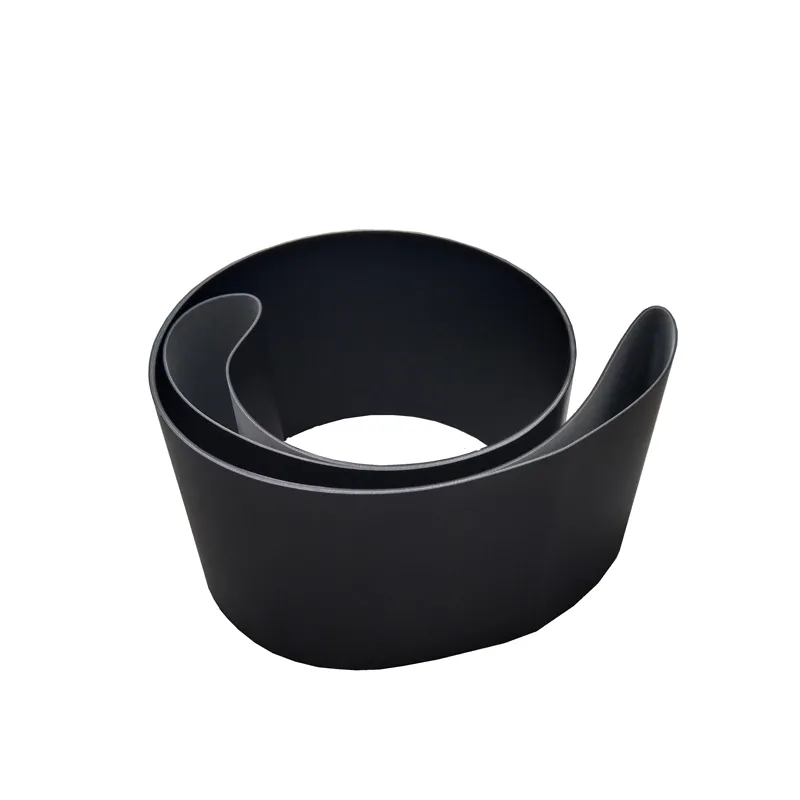
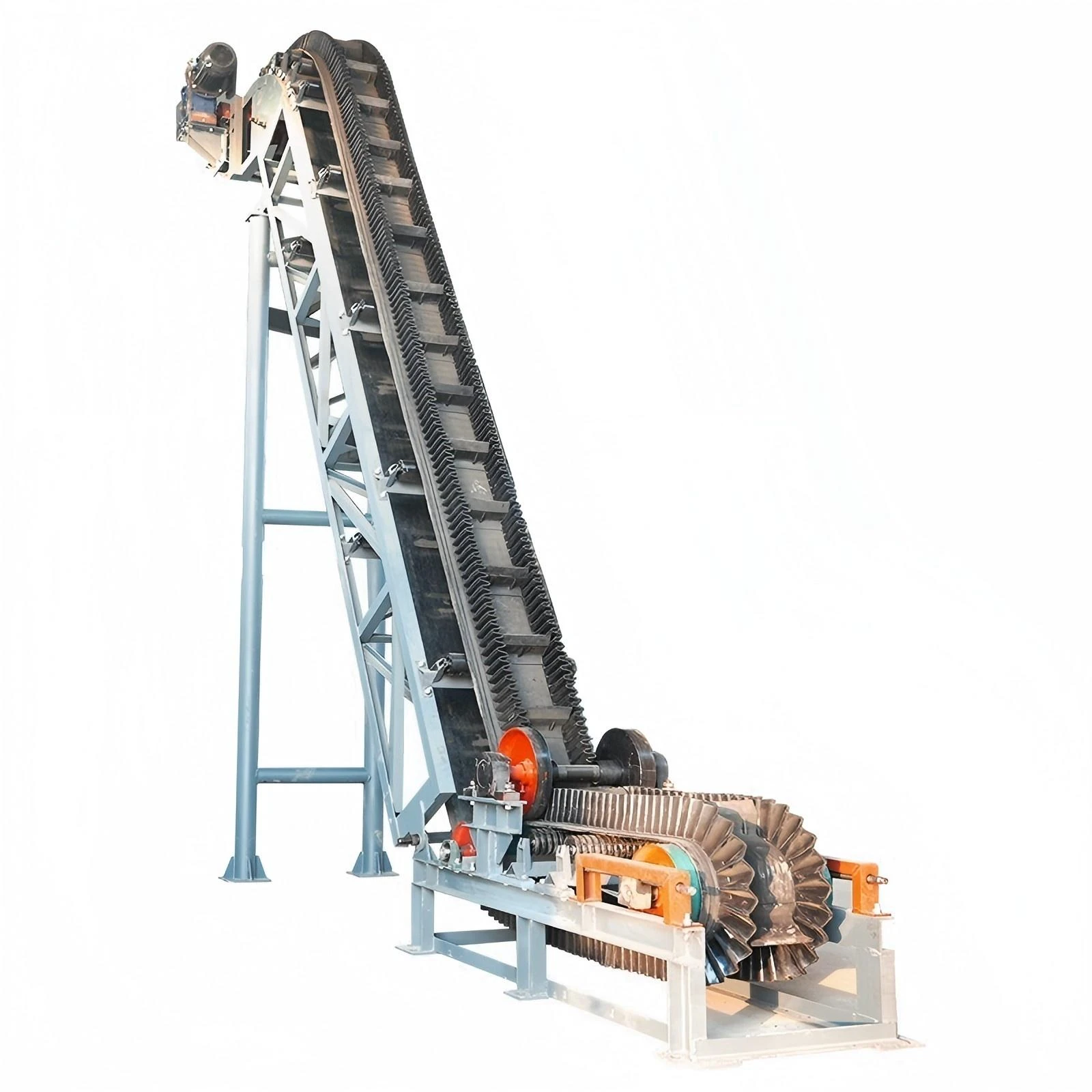
Navigating the Landscape of High-Performance White Conveyor Belts: Industry Trends and Innovations In the dynamic landscape of industrial automation and material handling, the choice of conveyor belting is paramount to operational efficiency, hygiene, and product integrity. Specifically, high-performance white conveyor belts have emerged as critical components across numerous sectors where cleanliness, durability, and safety are non-negotiable. The global market for industrial conveyor belts is projected to grow significantly, driven by increasing automation in manufacturing, logistics, and processing industries. Key trends include the demand for more sustainable materials, advanced monitoring systems for predictive maintenance, and specialized belting solutions tailored to extreme operating conditions or stringent hygienic requirements. Modern industries are increasingly prioritizing conveyor solutions that offer enhanced sanitation, longer service life, and reduced energy consumption. This focus is particularly evident in sectors dealing with sensitive products. The demand for belts that meet stringent regulatory standards, such as those from the FDA and USDA, is rising, pushing manufacturers to innovate in material science and production processes. This article delves into the critical aspects of the White Strong Conveyor Belt For Conveyor , exploring its technical prowess, versatile applications, and strategic advantages for B2B decision-makers and engineers. Understanding the White Strong Conveyor Belt: Materials, Manufacturing, and Core Advantages The White Strong Conveyor Belt For Conveyor is engineered for demanding applications where both robust performance and impeccable hygiene are required. Unlike standard black belts, its white coloration signifies non-marking properties and often indicates compliance with food-grade or pharmaceutical standards, making contamination visible and easy to address. These belts are typically constructed from high-quality polymers such as Polyvinyl Chloride (PVC), Polyurethane (PU), or specialized synthetic rubbers, often reinforced with multi-ply polyester or aramid fabric carcasses. Manufacturing Process Flow: From Raw Materials to Robust Belting The production of a high-quality white strong conveyor belt involves several meticulously controlled stages, ensuring adherence to strict technical and hygienic specifications: Material Preparation: High-grade polymers (e.g., food-grade PVC or PU compounds) are carefully selected for their strength, abrasion resistance, chemical inertness, and non-toxic properties. Reinforcing fabrics, typically polyester (EP) or polyamide (NN), are cut to precise widths and lengths. Calendering/Coating: The polymer compound is fed into high-precision calender rolls or applied via a coating process, creating uniform layers that encapsulate the reinforcing fabric plies. This step determines the belt's thickness and surface properties. Ply Assembly: Multiple layers of the coated fabric plies are assembled, often with an internal skim coat of polymer, to build the desired carcass strength and flexibility. The number of plies (e.g., 2-ply, 3-ply) dictates the belt's ultimate tensile strength. Vulcanization/Curing: The assembled plies are then subjected to heat and pressure in a vulcanizing press. This crucial step chemically cross-links the polymer chains, transforming the material into a highly durable, elastic, and stable finished product. For PU belts, curing processes may differ. Finishing & Edge Treatment: After curing, the belt is trimmed to exact dimensions. Edges may be sealed or reinforced to prevent fraying and moisture ingress, particularly vital in washdown environments. Quality Control & Testing: Each batch undergoes rigorous testing to ensure compliance with international standards such as ISO 340 (fire resistance), ISO 21181 (belt properties), and specific industry regulations like FDA (Food and Drug Administration) or USDA (United States Department of Agriculture) for food contact. Tests include tensile strength, elongation, adhesion between plies, abrasion resistance, and chemical resistance. The target industries for these belts include Food & Beverage (meat, poultry, bakery, confectionery, dairy), Pharmaceutical, Chemical Processing (where non-contamination is critical), Packaging, and high-purity Logistics. Advantages often include superior hygiene, non-marking characteristics, excellent corrosion resistance to common cleaning agents, and energy saving through optimized friction coefficients and reduced belt weight compared to older designs. A well-manufactured White Strong Conveyor Belt For Conveyor can offer a service life significantly exceeding standard belts, reducing downtime and replacement costs. Technical Specifications and Performance Parameters The performance of a White Strong Conveyor Belt For Conveyor is defined by a comprehensive set of technical specifications designed to meet the rigors of industrial operations. Understanding these parameters is crucial for selecting the appropriate belt for a specific application, ensuring optimal efficiency and longevity. Key Technical Parameters for White Strong Conveyor Belts Parameter Description Typical Range / Value Relevance Tensile Strength (N/mm) Maximum tension a belt can withstand without breaking. EP400 to EP1250 (400-1250 N/mm) Determines load capacity and suitability for long or steep inclines. Ply Configuration Number and type of fabric layers (e.g., EP, NN). 2-ply, 3-ply, 4-ply EP/NN Impacts flexibility, troughability, and overall belt strength. Overall Thickness (mm) Total thickness of the belt, including covers and carcass. 6 mm to 18 mm Influences resistance to impact and abrasion, as well as pulley diameter requirements. Cover Thickness (Top/Bottom, mm) Thickness of the top and bottom protective polymer layers. Top: 2-8 mm; Bottom: 1-4 mm Directly affects abrasion resistance and service life against material friction. Temperature Range (°C) Operating temperature limits for the belt material. -20°C to +80°C (standard) Critical for applications in cold storage, ovens, or processes with high/low temperatures. Abrasion Resistance (mm³) Material loss per cycle, typically measured by DIN EN ISO 4649. < 150 mm³ (excellent), < 250 mm³ (good) Indicates durability against wear from abrasive materials. Chemical Resistance Ability to withstand degradation from acids, bases, oils, fats, and cleaning agents. Excellent for most food-grade chemicals, moderate for strong acids/alkalis. Essential for hygienic environments requiring frequent chemical washdowns. Food Grade Compliance Adherence to regulations for direct food contact. FDA (21 CFR), USDA, EU (EC 1935/2004, EU 10/2011) Mandatory for food processing, pharmaceutical, and other sensitive applications. By meticulously analyzing these parameters, engineers can ensure that the selected White Strong Conveyor Belt For Conveyor not only fits the mechanical requirements but also surpasses the stringent operational and regulatory demands of their specific industries. This detailed approach minimizes operational risks and maximizes the return on investment through prolonged belt life and consistent performance. Application Scenarios and Technical Advantages The inherent properties of a White Strong Conveyor Belt For Conveyor make it indispensable across a spectrum of industries, particularly where hygiene, visual inspection, and resistance to specific environmental factors are critical. Its clean aesthetics are not merely cosmetic; they signify a commitment to operational purity and compliance. Diverse Applications Food Processing: From delicate bakery goods and fresh produce to raw meats and dairy products, white belts prevent contamination and allow for easy detection of foreign objects or spills. Their resistance to animal fats, oils, and common cleaning agents ensures longevity in washdown environments. Pharmaceutical Production: In the handling of pills, powders, and sterile packaging, non-toxic, non-marking white belts are crucial to maintain product purity and avoid cross-contamination, complying with GMP (Good Manufacturing Practice) standards. Packaging & Logistics: For high-speed sorting and packaging lines where product integrity and clean aesthetics are desired, these belts prevent scuffing or marking of sensitive packages. Tobacco Industry: Handling sensitive tobacco leaves requires belts that are gentle, non-contaminating, and can withstand residues without transferring odors or undesirable substances. Chemical and Fertilizer Handling: Specific white belts, engineered with enhanced chemical resistance, are employed where corrosive or reactive substances are transported, minimizing belt degradation and product contamination. Key Technical Advantages Superior Hygiene and Sanitation: The white surface makes dirt, dust, and food particles immediately visible, facilitating thorough cleaning and rapid response to contamination. Many formulations are anti-microbial, further inhibiting bacterial growth. Non-Marking Properties: Prevents black scuff marks on conveyed products, crucial for items like fresh produce, pharmaceutical packaging, or light-colored manufactured goods, thereby maintaining product quality and aesthetic appeal. Chemical and Oil Resistance: Engineered to withstand harsh cleaning agents, animal fats, vegetable oils, and common industrial chemicals, ensuring durability and extended service life in challenging environments. High Tensile Strength and Durability: Multi-ply synthetic fabric carcasses provide exceptional strength and dimensional stability, allowing for heavier loads and longer conveyor spans while resisting elongation and tracking issues. Energy Efficiency: Modern white strong belts are designed with low friction coefficients, reducing the power required to move the belt and its load, leading to significant energy savings over the operational lifespan. Temperature Versatility: Available in formulations that can withstand a wide range of temperatures, from freezing to moderately high heat, making them suitable for diverse processing steps. Vendor Comparison and Customized Solutions Selecting the right vendor for a White Strong Conveyor Belt For Conveyor is a strategic decision that impacts not only immediate operational performance but also long-term cost of ownership and compliance. Factors such as material quality, manufacturing precision, industry certifications, and the ability to provide tailored solutions are paramount. Key Considerations for Vendor Selection Quality & Certifications: Does the vendor's product meet international standards (ISO, DIN) and specific regulatory requirements (FDA, USDA, HACCP)? Are quality control processes transparent? Material Expertise: Can the vendor demonstrate deep knowledge of polymer chemistry and fabric reinforcement to recommend the optimal belt for specific challenges (e.g., extreme temperatures, aggressive chemicals)? Customization Capabilities: Is the vendor equipped to provide belts with specific widths, lengths, profiles (cleats, sidewalls), perforations, or specialized top surface textures? Technical Support & After-Sales Service: What level of engineering support is available for installation, maintenance, and troubleshooting? Are spare parts readily accessible? Lead Times & Fulfillment: Can the vendor consistently meet delivery schedules, especially for urgent requirements or custom orders? Cost-Effectiveness & Value: Beyond the initial purchase price, consider the total cost of ownership, including service life, energy savings, and reduced downtime. Product Comparison: Standard vs. High-Performance White Belts Feature Standard White PVC Belt High-Performance White PU/Specialized Rubber Belt Material Composition PVC (Polyvinyl Chloride) with polyester fabric. PU (Polyurethane) or specialized synthetic rubber with advanced fabric (e.g., aramid). Tensile Strength (N/mm) Good (e.g., EP400-630) Excellent (e.g., EP800-1250+), higher load capacity. Abrasion Resistance Good (DIN 200-250 mm³) Superior (DIN <100-150 mm³), longer wear life. Chemical & Oil Resistance Moderate resistance to oils/fats, fair to some chemicals. Excellent resistance to a broader range of chemicals, oils, and fats. Temperature Range (°C) -10 to +70 -30 to +100+ (depending on specific polymer) Flexibility Good, suitable for general conveying. Excellent, suitable for smaller pulley diameters, complex layouts. Food Grade Compliance Typically FDA/EU compliant for direct food contact. Often FDA/USDA/EU compliant, sometimes with enhanced hygienic properties (e.g., anti-microbial). Customized Solutions for Unique Challenges Recognizing that no two industrial applications are identical, reputable vendors offer extensive customization options for their White Strong Conveyor Belt For Conveyor products: Specialized Cover Compounds: Tailored polymers for enhanced resistance to extreme temperatures, specific chemicals, or unique release properties. Surface Textures & Profiles: From smooth, low-friction surfaces for easy product release to embossed patterns, cleats, and sidewalls for incline conveying, product orientation, or containment. Perforations & Tracking Guides: Custom holes for vacuum applications, drainage, or air circulation; v-guides or tracking strips for precise belt alignment and stability. Endless Splicing & Fabrication: Belts can be supplied endless, or with mechanical fasteners, customized to precise lengths and widths for seamless integration into existing conveyor systems. Flame Retardant & Anti-Static Options: For environments requiring specific safety classifications (e.g., ATEX zones). By collaborating closely with a knowledgeable vendor, businesses can secure a bespoke conveyor belt solution that not only meets but exceeds their operational requirements, driving efficiency and optimizing process flow. Application Case Studies & Customer Experience Real-world application demonstrates the tangible benefits and reliability of the White Strong Conveyor Belt For Conveyor . These case studies highlight how specialized belting solutions address critical industrial challenges, enhance operational efficiency, and ensure product quality. Case Study 1: Enhanced Hygiene in a Dairy Processing Plant A large dairy processing facility faced persistent challenges with bacterial growth and cross-contamination on its conveyor lines, leading to increased cleaning times and potential product recalls. Their existing belts, while white, were susceptible to microscopic cracks and material degradation from constant exposure to milk fats and strong caustic washdown agents. Solution: The plant transitioned to a high-performance White Strong Conveyor Belt For Conveyor made from a specialized food-grade polyurethane, reinforced with a robust EP carcass. This belt offered superior chemical resistance to their specific cleaning regimen and was designed with a smooth, non-porous surface that inhibited bacterial adhesion. Results: Post-implementation, the plant reported a 30% reduction in average cleaning cycle times due to the belt's easy-clean properties. Microbiological testing showed a significant decrease in bacterial counts on belt surfaces, leading to improved product safety and extended shelf life for dairy products. The belt's extended service life also contributed to a 15% reduction in annual maintenance costs related to belt replacements. Case Study 2: Preventing Contamination in Pharmaceutical Packaging A pharmaceutical manufacturer, specializing in sterile injectable drugs, required a conveyor solution for its secondary packaging line that guaranteed zero particulate contamination and non-marking properties for delicate glass vials. Traditional rubber belts were leaving microscopic residues and occasional scuff marks on sterile packaging. Solution: The company opted for an ultra-clean, FDA-compliant White Strong Conveyor Belt For Conveyor with an anti-static PVC cover and a low-friction surface. The belt was supplied with precision-cut, factory-spliced endless construction to eliminate any mechanical fasteners that could harbor contaminants. Results: Implementing the new belts resulted in a complete elimination of scuff marks on vial packaging, enhancing brand presentation and reducing rejection rates. Airborne particulate monitoring in the cleanroom environment showed no increase attributable to the conveyor system, confirming its non-contaminating properties. The belt's reliability also led to a 5% increase in line uptime due to fewer tracking issues and belt-related stoppages. Customer Feedback "Switching to their white strong conveyor belts was a game-changer for our meat processing line. The visibility of any contamination is immediate, and the belts withstand our rigorous washdowns without degradation. Truly robust and reliable." — Operations Manager, Major Meat Processor, Germany "The custom-fabricated white belts from [Vendor Name] have significantly improved our pharmaceutical packaging throughput. The non-marking surface is critical for our sterile products, and their technical support during installation was exceptional." — Production Engineer, Global Pharmaceutical Company, USA Ensuring Trustworthiness: FAQs, Lead Times, Warranty, and Support Building trust with B2B clients involves more than just delivering a high-quality product; it requires transparency, reliable logistics, and unwavering support. This section addresses common inquiries and outlines our commitment to customer satisfaction for the White Strong Conveyor Belt For Conveyor . Frequently Asked Questions (FAQs) Q: Are your white strong conveyor belts FDA compliant? A: Yes, many of our white strong conveyor belts are manufactured from FDA-approved materials (21 CFR compliant) suitable for direct food contact. Specific certifications can be provided upon request for individual product lines. Q: What is the typical lead time for custom white strong conveyor belts? A: Standard sizes typically ship within 5-7 business days. For customized lengths, widths, or specialized fabrications (e.g., cleats, perforations), lead times usually range from 10-20 business days, depending on complexity and order volume. Expedited options are available. Q: How do I ensure proper cleaning and maintenance for my white strong conveyor belt? A: We provide detailed cleaning and maintenance guidelines specific to each belt type. Generally, regular cleaning with mild, approved detergents and warm water is recommended. Avoid abrasive tools or highly concentrated chemicals unless explicitly approved for the belt material. Q: Can these belts be used in inclined applications? A: Absolutely. We offer white strong conveyor belts with various surface textures, patterns, and custom-fabricated cleats or sidewalls specifically designed to prevent product rollback on inclines up to 45 degrees or more, depending on the product and angle. Lead Time & Fulfillment We understand the critical importance of timely delivery in industrial operations. Our robust supply chain and efficient manufacturing processes enable us to offer competitive lead times. We maintain an extensive inventory of raw materials and standard belt configurations to facilitate rapid fulfillment. For specialized orders, our production planning team works closely with clients to establish realistic timelines and communicate progress transparently. Emergency order services are also available for critical breakdowns. Warranty Commitments Every White Strong Conveyor Belt For Conveyor is backed by a comprehensive warranty against manufacturing defects and material failures under normal operating conditions. Our standard warranty period is [e.g., 12 to 24 months] from the date of purchase, contingent on proper installation, operation, and maintenance as per our guidelines. We stand by the quality and durability of our products, ensuring peace of mind for our customers. Customer Support Information Our dedicated technical support team comprises experienced engineers and product specialists ready to assist with selection, installation guidance, troubleshooting, and maintenance advice. We offer: 24/7 Online Support Portal: Access to product documentation, FAQs, and technical guides. Direct Technical Assistance: Via phone or email during business hours. On-Site Consultation & Training: For complex installations or large-scale projects, our experts can provide on-site support and training for your operational teams. Global Distribution Network: Ensuring swift delivery and local support wherever your operations are located. Our commitment is to be a reliable partner, providing not just products but comprehensive solutions and support throughout the entire lifecycle of your conveyor belting. Conclusion The White Strong Conveyor Belt For Conveyor stands as a testament to engineering excellence in material handling, providing indispensable solutions for industries where hygiene, durability, and operational precision are paramount. From ensuring food safety and pharmaceutical purity to enhancing logistical efficiency, these specialized belts are more than just components; they are critical enablers of modern industrial processes. By understanding their advanced manufacturing, precise technical specifications, and myriad application advantages, businesses can make informed decisions that drive efficiency, reduce downtime, and uphold the highest standards of product integrity. As industries continue to evolve, the demand for high-performance, hygienically superior conveyor solutions like the white strong belt will only grow, underscoring its pivotal role in the future of industrial automation. References ISO. (n.d.). ISO Standards for Conveyor Belts. International Organization for Standardization. FDA. (n.d.). Code of Federal Regulations Title 21 - Food and Drugs. U.S. Food and Drug Administration. USDA. (n.d.). Food Safety and Inspection Service Regulations. U.S. Department of Agriculture. European Commission. (2004). Regulation (EC) No 1935/2004 on materials and articles intended to come into contact with food. Official Journal of the European Union. Conveyor Belt Manufacturers Association. (n.d.). Technical Handbook for Conveyor Belts.